Szczecin - PUM&CITY
Why should you choose to study at PUM in Szczecin?
City of Szczecin
- Unique architecture: The city features a mix of Gothic, Baroque, and modernist buildings, including the famous Pomeranian Dukes’ Castle. The Castle is one of the most important historical monuments in Szczecin. This Renaissance castle once served as the former seat of power for the Dukes of Pomerania, functioning as the political and administrative center of the region.
- The Griffin – the heraldic symbol of Pomerania -is a mythical creature — a hybrid of a lion and an eagle — which became the traditional symbol of Western Pomerania. It has been used in regional heraldry since the Middle Ages and is closely connected with the ruling dynasty known as the House of Griffin (Gryfici)
- Szczecin has it’s own witch. Real person - Sydonia von Borck is a historical figure from Pomerania — a noblewoman who was accused of witchcraft and executed in Szczecin in 1620.
- Royal connections: Szczecin has a direct link to the Russian imperial family — Empress Catherine the Great was born here in 1729, when the city was known as Stettin. As Sophie Friederike Auguste of Anhalt-Zerbst, a daughter of Prussian governor of Stettin, she spent her early years in the city before becoming one of the most powerful rulers in history.
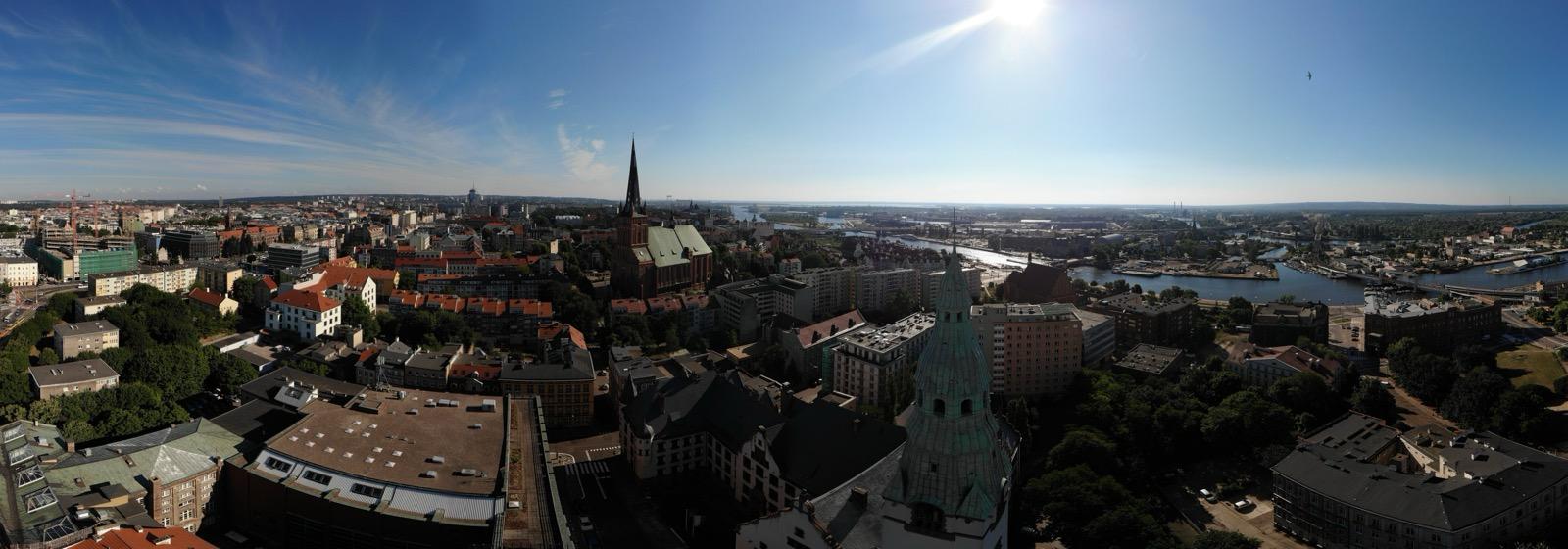
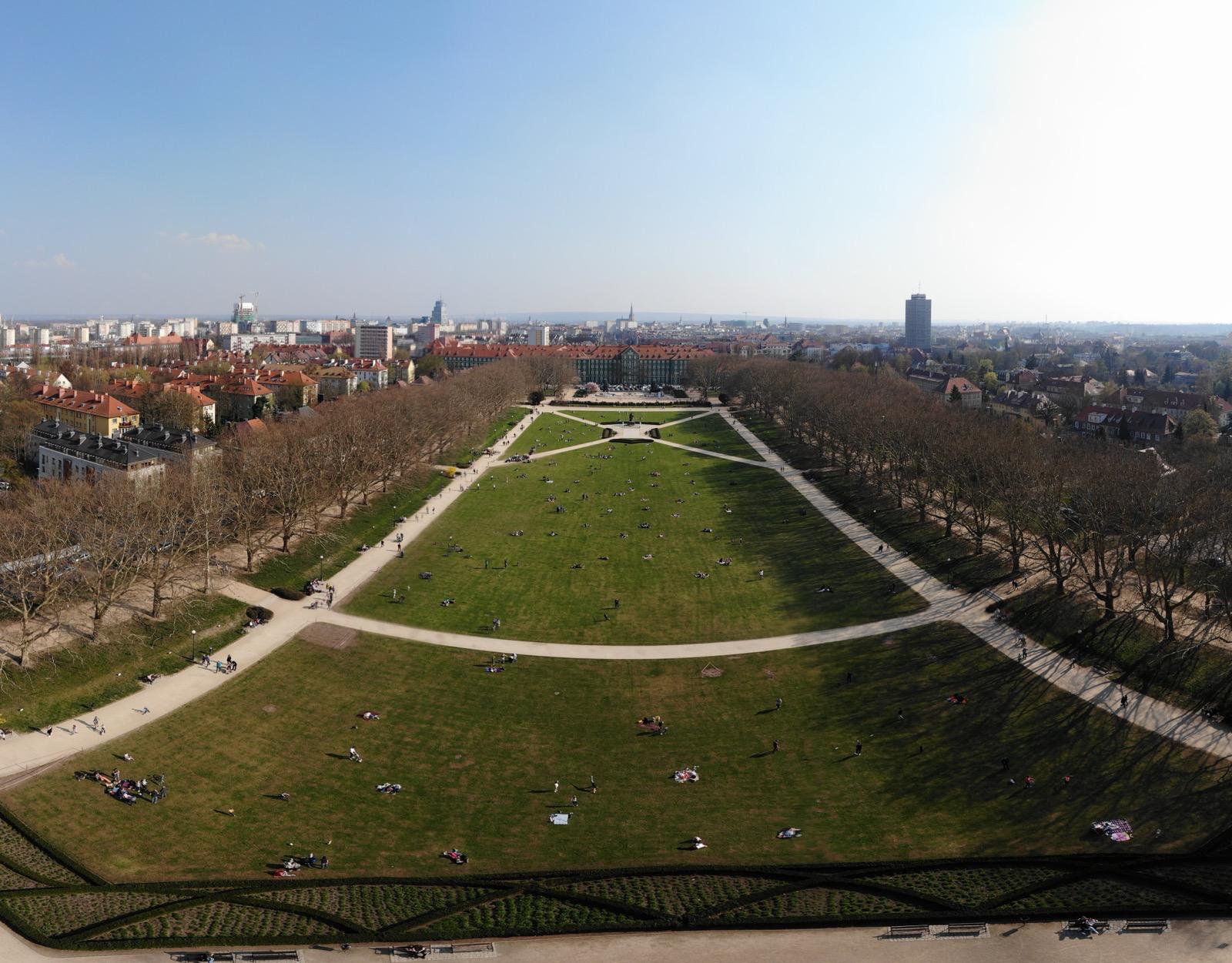
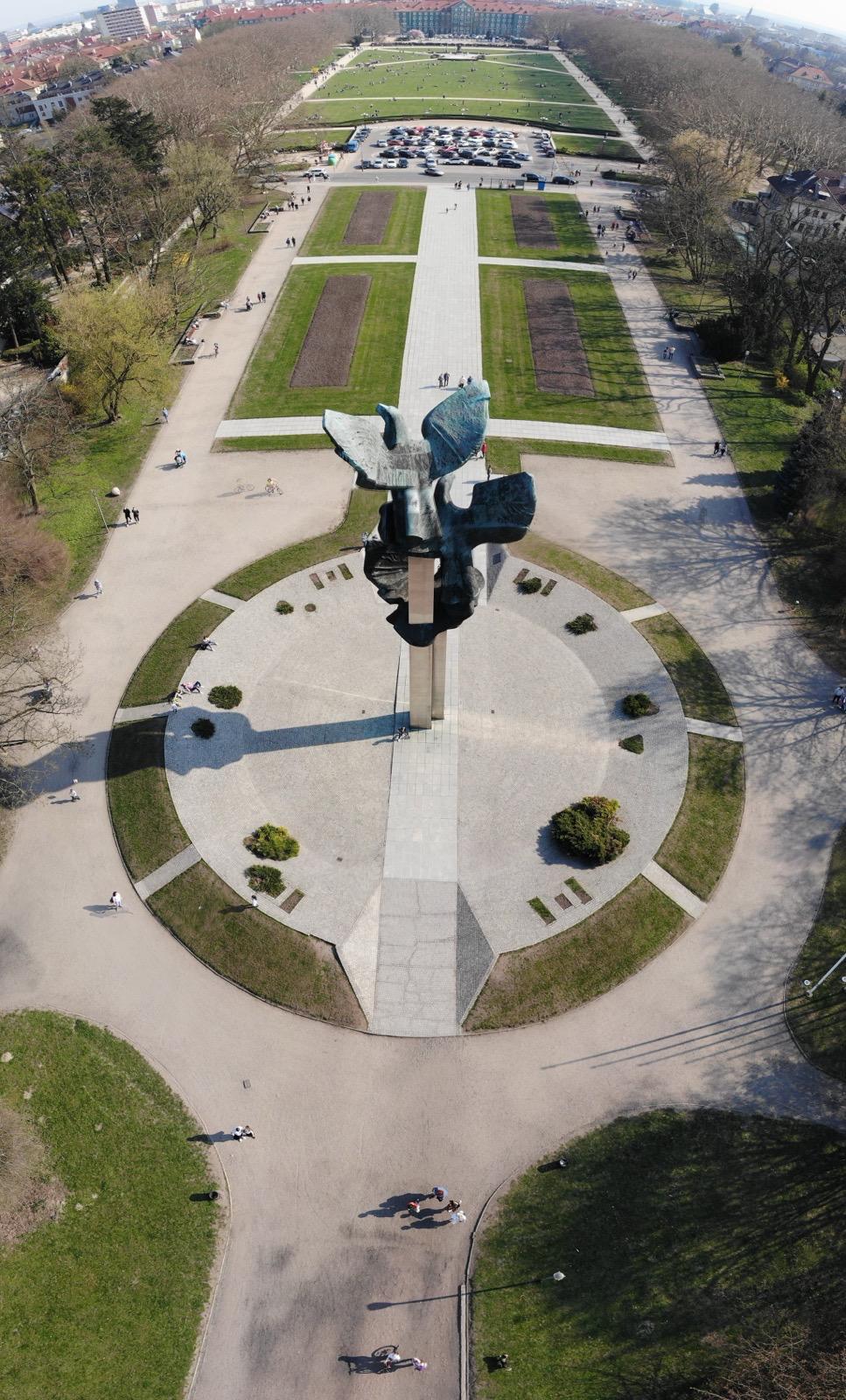
- Szczecin is often called the “Paris of the North” — and it’s easy to see why. From above, the city reveals a striking, star shaped street layout reminiscent of Parisian boulevards. Broad avenues radiate from circular squares, elegant townhouses line the streets, and the riverfront along the Oder adds a sense of openness and charm. That blend of geometric urban planning and natural waterfront scenery gives Szczecin a character that feels both grand and relaxed at the same time.
- Szczecin is one of the largest Polish cities by area (land size) — often ranking 3rd in terms of total municipal area, after Warsaw and Kraków. Szczecin is around 7th largest in Poland by population. There are 963 cities in Poland.
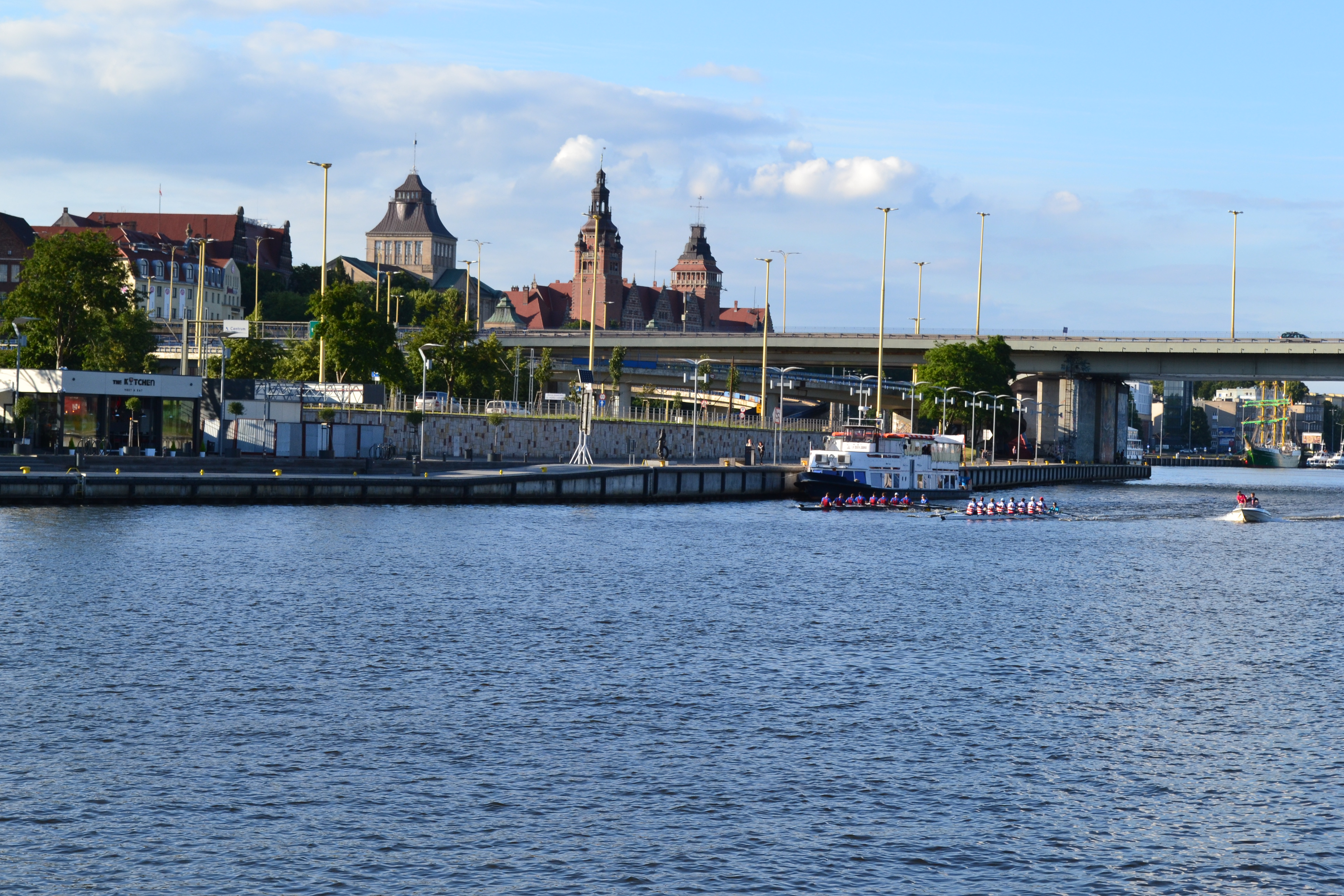
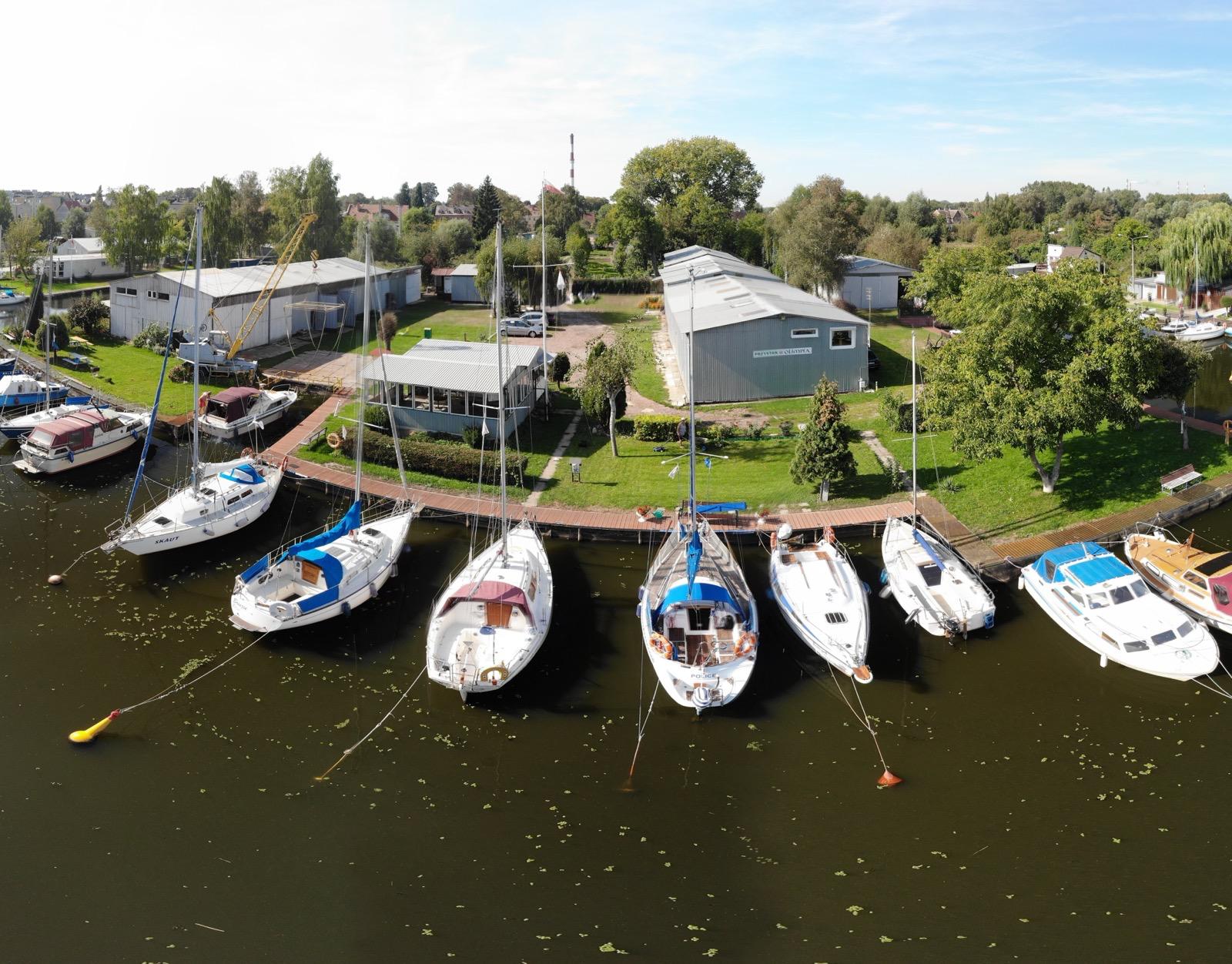
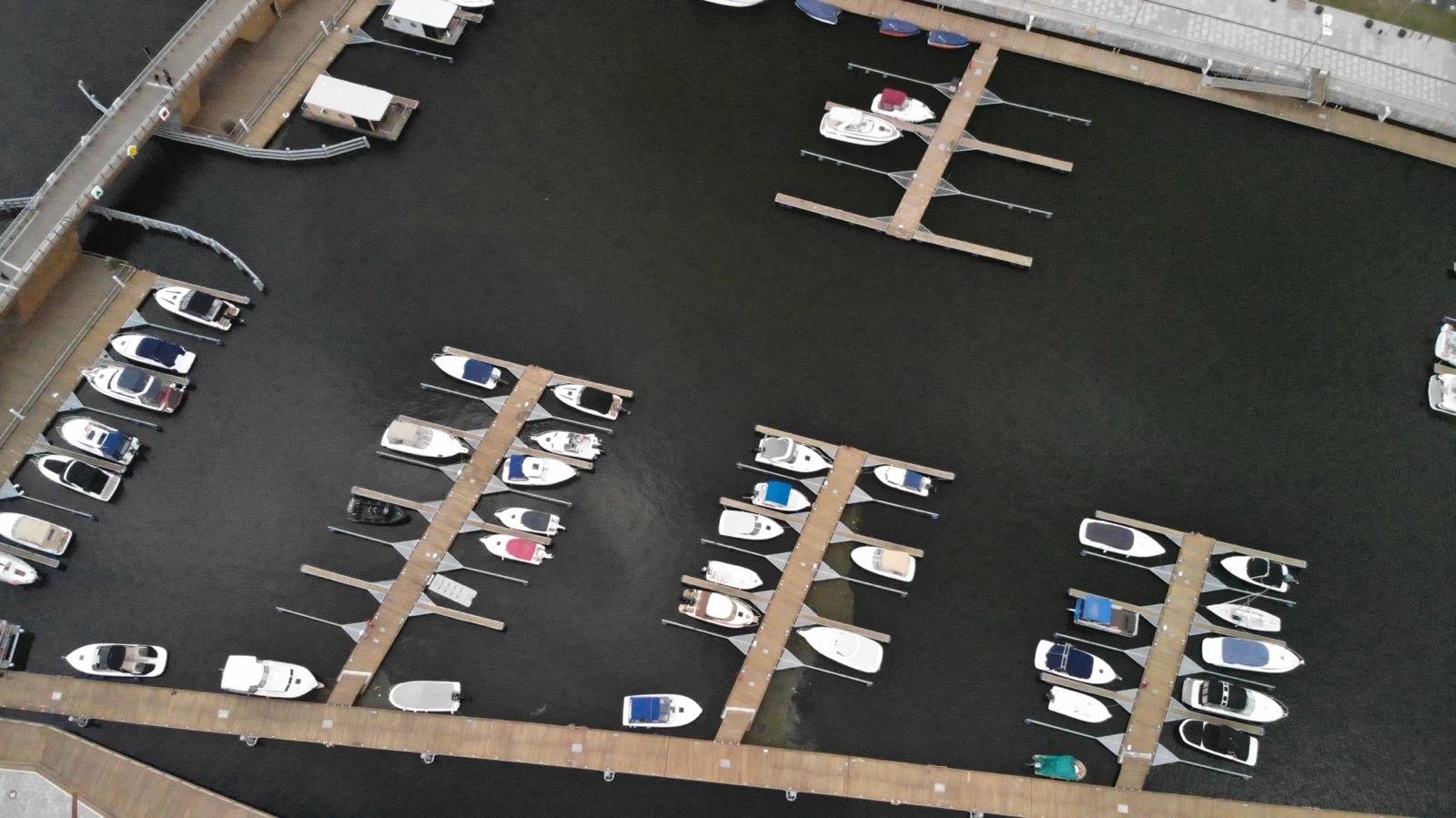
- River city: Situated on the Oder River, Szczecin has a historic port and scenic waterfront areas perfect for walks, boating, and leisure activities.
- Close to Everywhere: Szczecin is just a few hours from Berlin, Copenhagen, and other major European cities, making weekend trips easy and fun.
- Cultural hub: The city hosts numerous festivals, including music, theatre, international film events, and the famous Tall Ship Races, attracting sailing enthusiasts from all over the world.
- The Marine Science Center is a unique landmark on the map of Szczecin. Located on the city’s Łasztownia island, the center features a permanent exhibition filled with interactive science and technology displays. The sea and sailing take center stage here, shaping both the theme and the atmosphere of the entire experience.
- Sailing and boating: Thanks to its location near the Szczecin Bay and Baltic Sea and its network of rivers, Szczecin is perfect for water sports enthusiasts. University owns a Rowing Team
- Sports pride: Szczecin has a rich sports culture with local football teams, including Pogoń Szczecin, one of Poland’s most well-known football clubs and King Wilki Morskie Szczecin Polish basketball club, competing in the top-tier Polish Basketball League.
- In 2005, the Pionier Cinema received a Guinness World Records certificate as the oldest continuously operating cinema in the world, confirming its status as a cinema functioning since the beginning of the 20th century (with the first screenings held in 1909, and according to discovered documents, as early as 1907).
- The Mieczysław Karłowicz Philharmonic in Szczecin is a true jewel in Poland’s cultural landscape. Iconic for both its architecture and its artistic program, it attracts not only music lovers but also visitors from all over the world. The Philharmonic is more than just a building — it stands as a symbol of the city’s modernity and openness. Its presence elevates Szczecin’s position on Europe’s cultural map, giving the city a distinctive, forward looking identity.
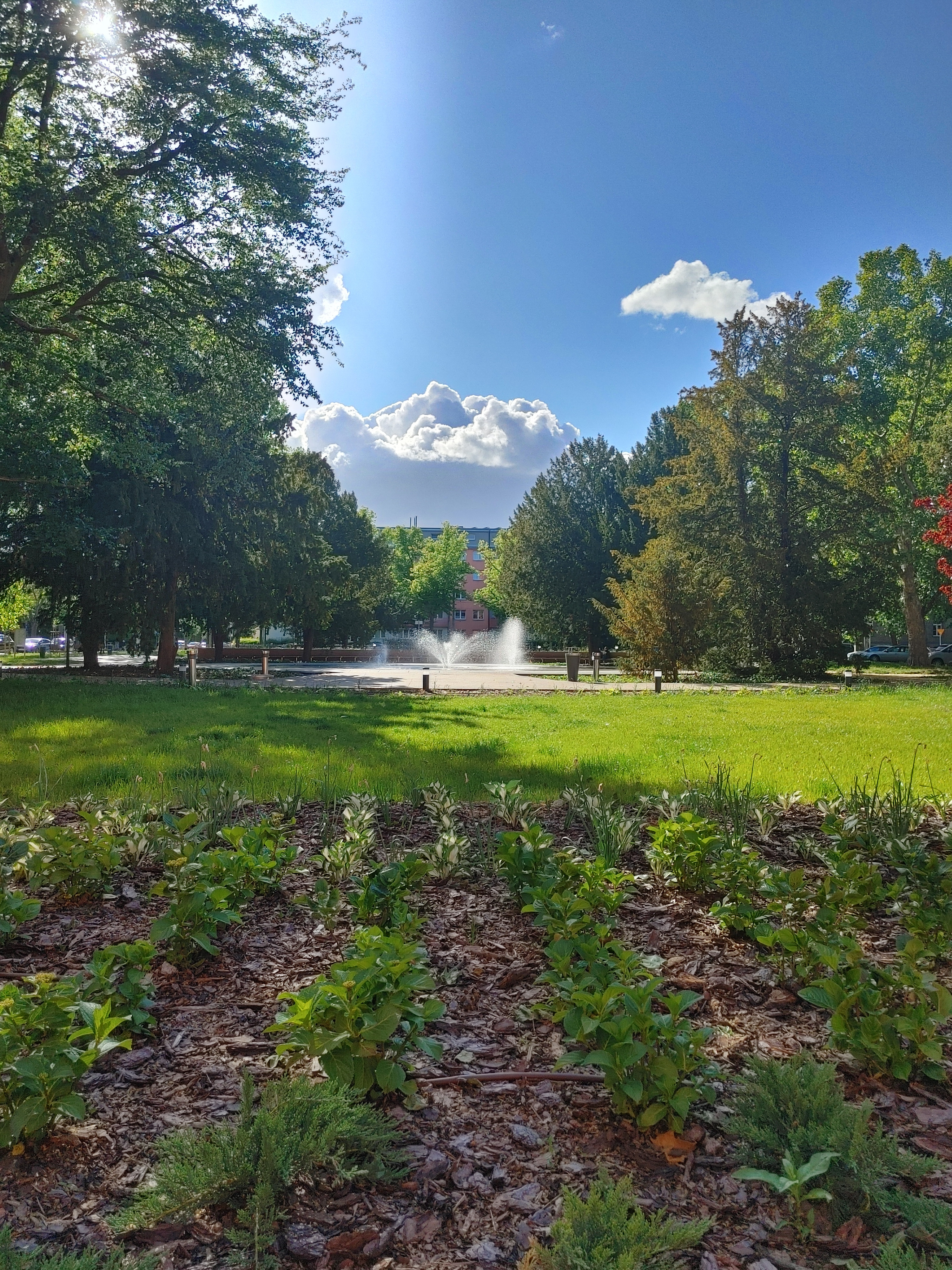
- Green city: Over 30% of Szczecin’s area is covered in parks and green spaces. Szczecin has at least 16 officially recognised parks, a popular walking and cycling routes. These range from large urban parks like Jan Kasprowicz Park and Stefan Żeromski Park, Jasne Błonia Park (large green promenade area) to smaller neighbourhood and pocket parks that enrich the city’s green infrastructure.
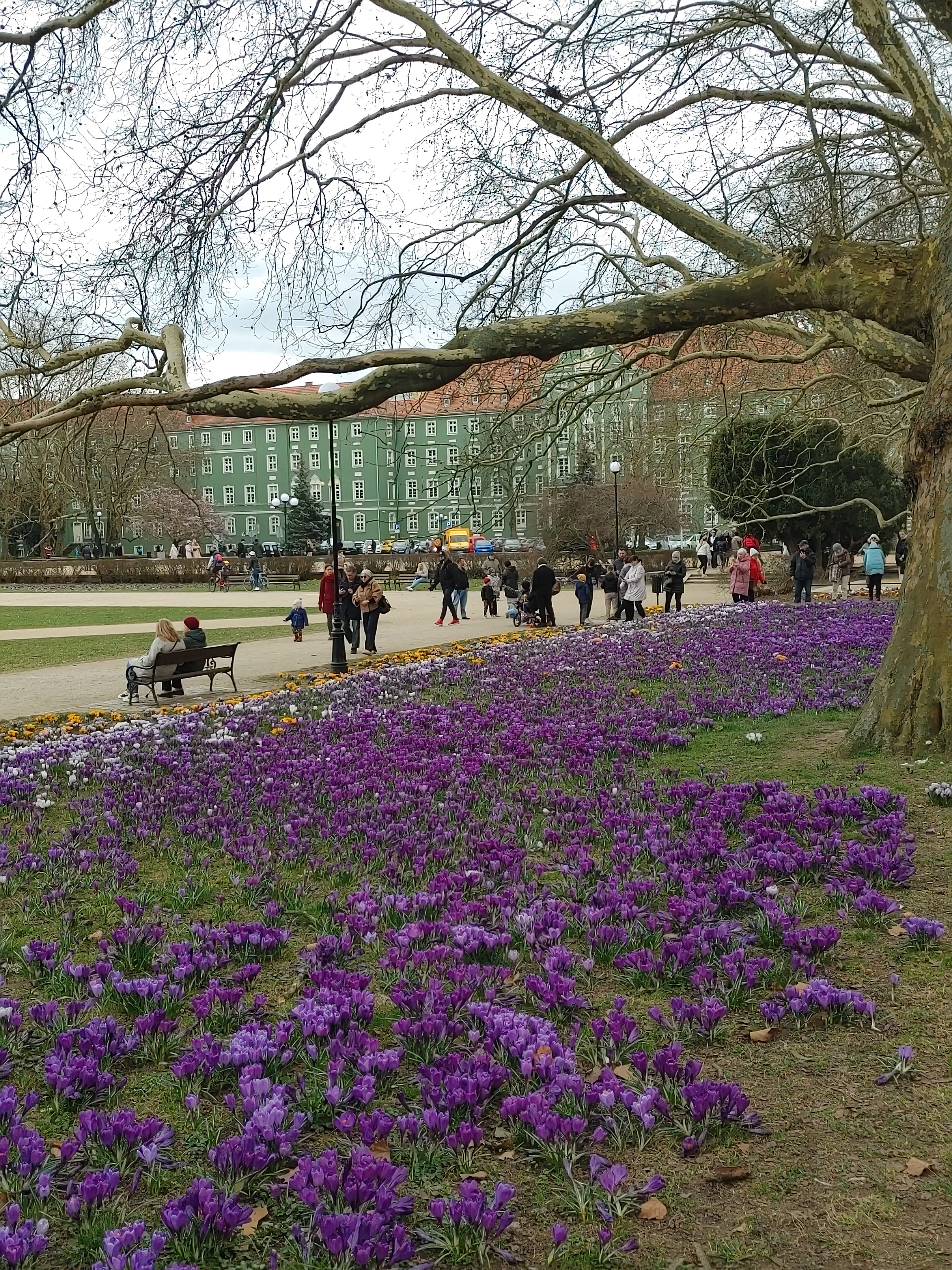
- Flowers of Szczecin: Szczecin is often referred to as a city of flowers, especially in spring and summer. Each year, thousands of crocuses bloom across parks and lawns, creating impressive purple and white carpets that have become one of the city’s most recognizable springtime sights.
- The city is also renowned for its magnolia trees. In April and May, magnolias decorate streets, parks and courtyards, and the popular Magnolia Route highlights one of the largest collections of magnolias in Poland. 160 magnolia trees planted throughout the city .
- In summer, Szczecin blooms with roses, particularly in the historic Rose Garden (Różanka), home to hundreds of rose varieties. This elegant garden is a beloved place for relaxation, walks and cultural events, and a symbol of the city’s long-standing horticultural traditions.
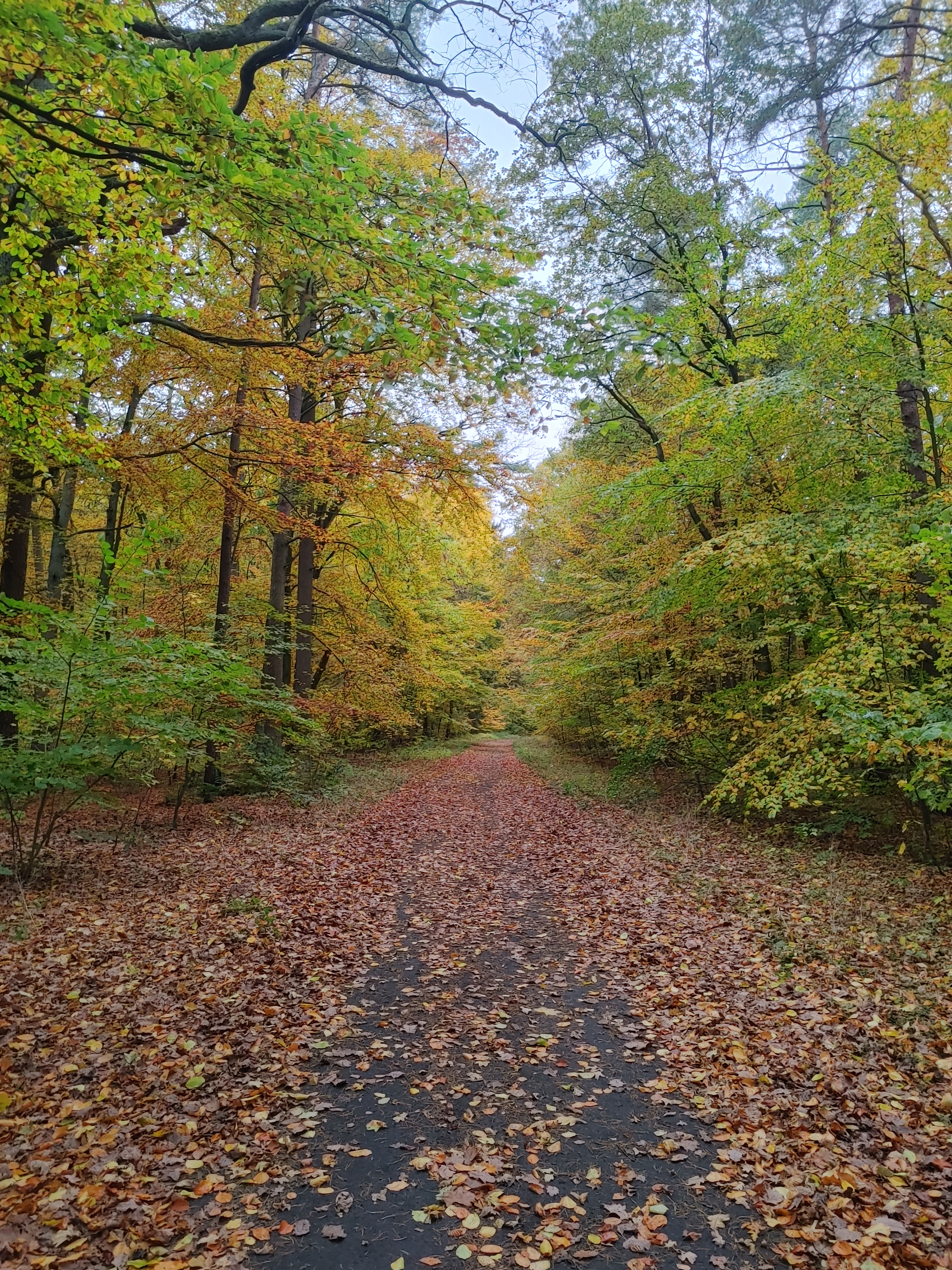
- The Central Cemetery in Szczecin – the 3rd large in Europe, also known as a dendrological park, is home to a wide variety of rare and beautiful tree species. It is an especially spectacular place for a walk during the autumn months.
- “City of fountains”: Szczecin has more than 100 decorative fountains scattered throughout the city.
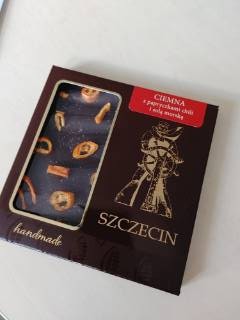
- Szczecin smells like chocolate! Especially near the riverfront and some central streets — “the chocolate smell” comes from this factory’s production process, where roasting and processing cocoa create a sweet, chocolate‑like aroma carried by the wind. The city is home to a large chocolate factory, often called the Gryf chocolate factory. It has been active in Szczecin since 1946 and continues to operate in the city.
- Student-friendly: With affordable cafés, restaurants, and a lively nightlife, Szczecin is very welcoming for students.
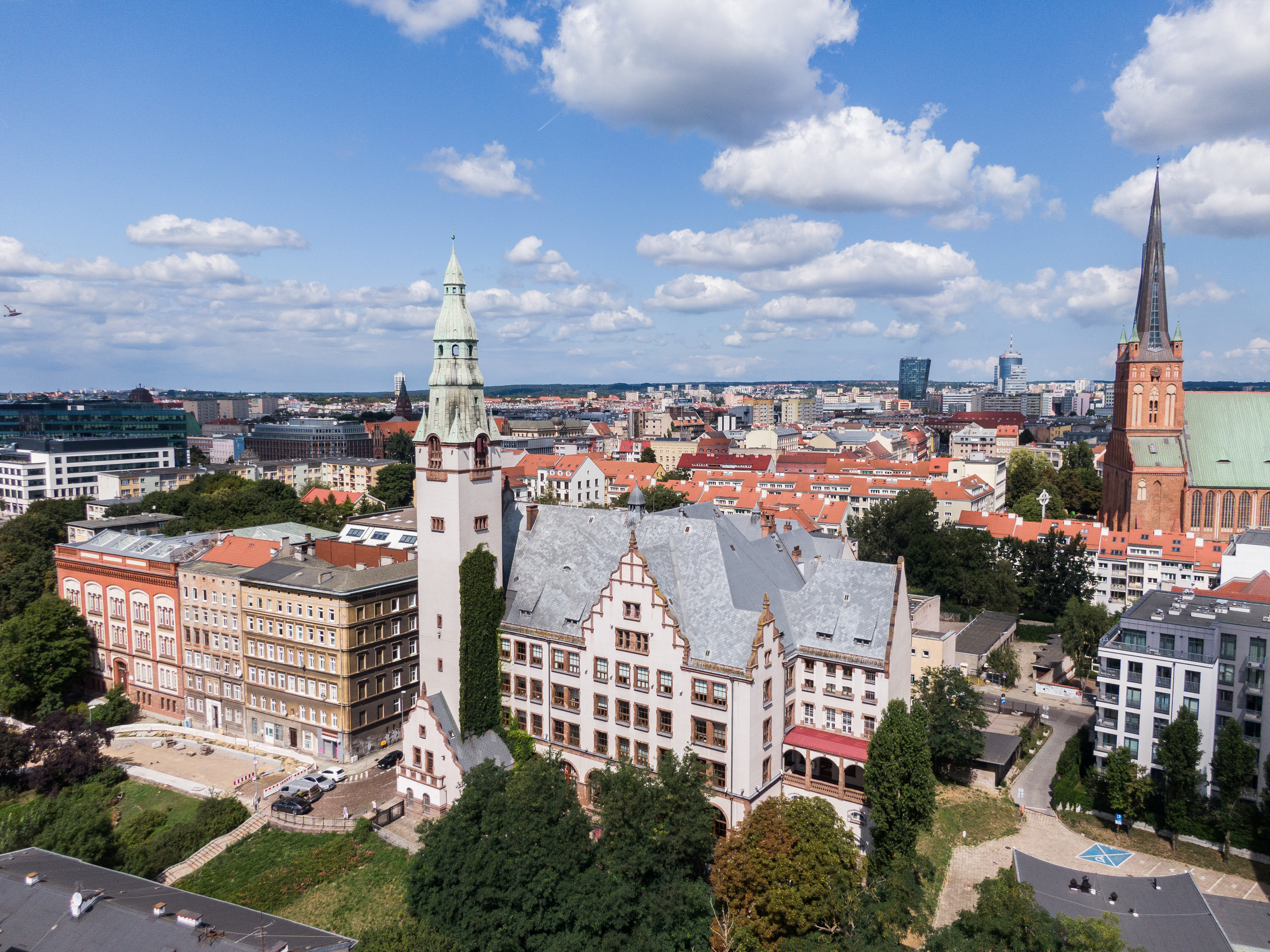
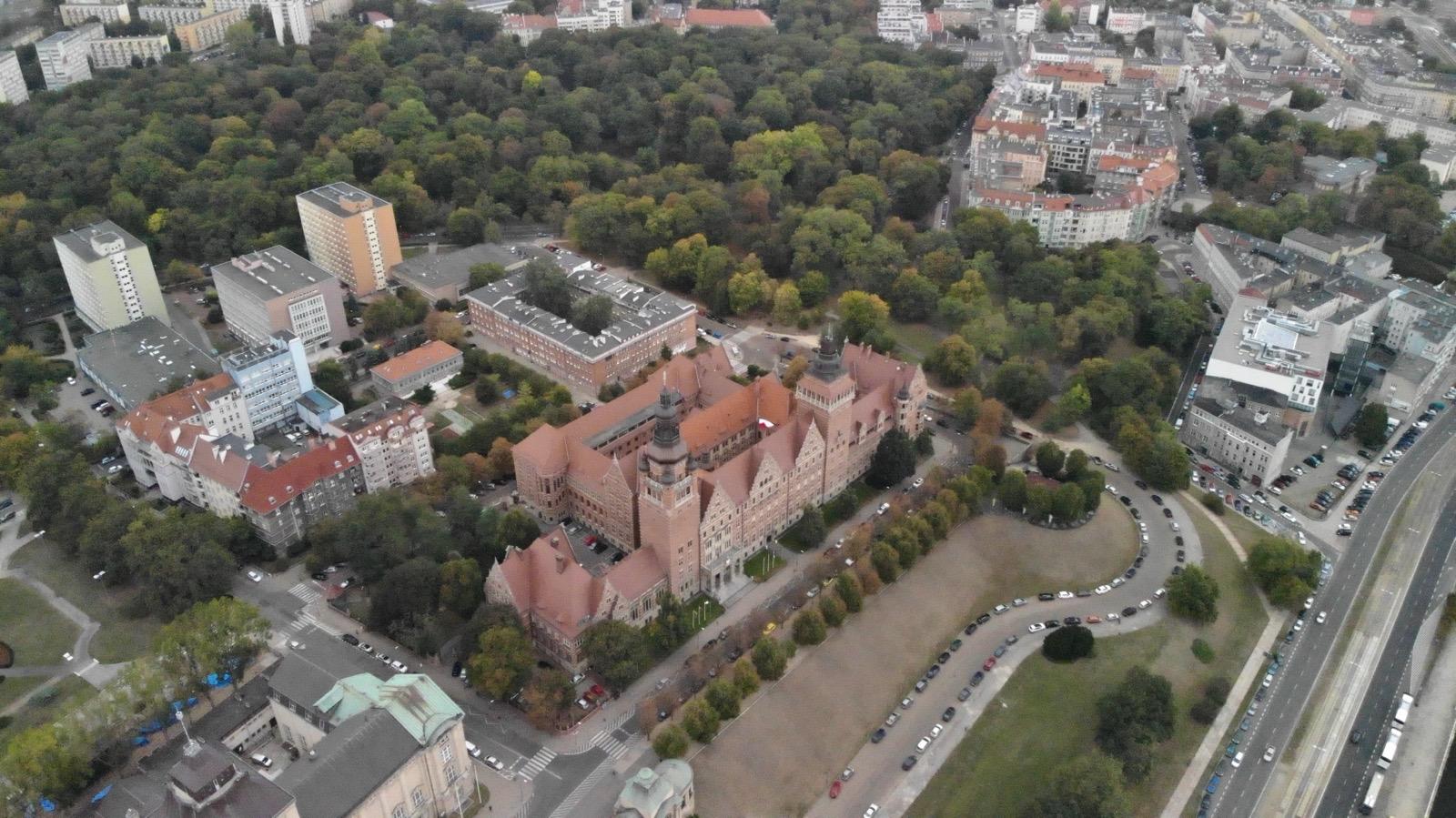
- The Rectorate building: This Neo-Renaissance building and its 68-metre tower were erected between 1900 and 1902, based on a design by the city’s architecture counsellor, Wilhelm Meyer. Originally serving as the seat of power for the city’s authorities and City Savings Bank. In 1948 it becomes a home for Pomeranian Medical University in Szczecin.
Public transport
Buses and trams
You may find journey planner jakdojade.pl useful in planning your trip around Szczecin. This planner helps you to find the nearby bus or tram stops, tells you which line you should use and when to change in order to get from A to B. It also provides an estimated average travel time. Journey planner is also available on Android OS.
Trains (PKP)
Trains timetable can be checked in advance under PKP website. PKP timetable is also available on various mobile platforms.
* * * * * * * * * *
All successfully enrolled candidates will be given their Student Cards at the beginning of the academic year. Student Card allows 50% discount for all means of public transport (bus, tram, train*), as well as some discount at selected stores, clubs and events.
* Discount for PKP - age limit applies (student may not be older than 26).
---
Photos courtesy of Jakub Wiśniewski and Olena Voznyak